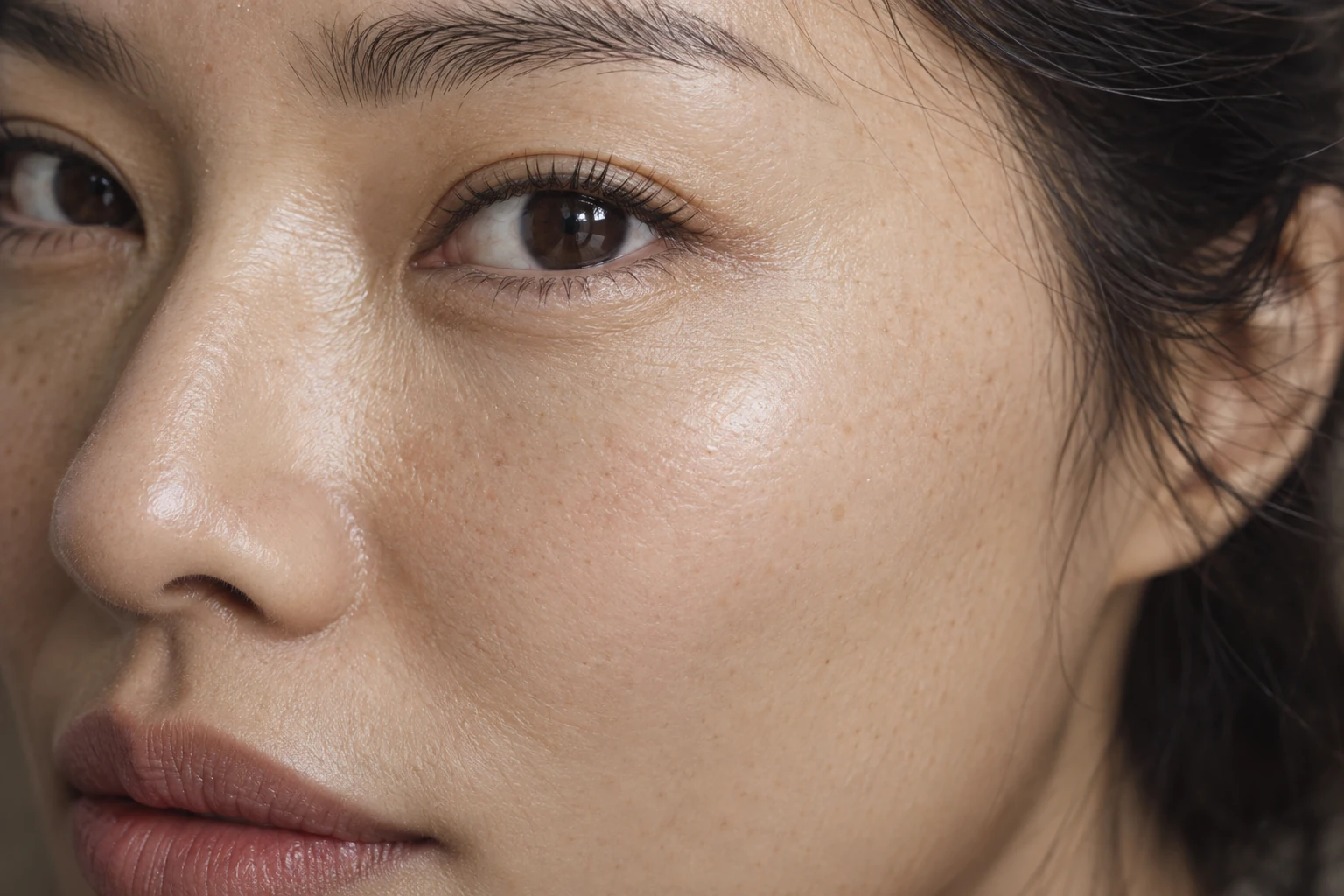

A more defined jawline, smoother skin, a supposedly perfect face: looksmaxxing turns appearance into a project that can seemingly always be improved. The term emerged from online communities. It can refer to everyday grooming, but also to the desire for far-reaching procedures. It is between these two extremes that the responsibilities of aesthetic medicine come into focus.
The question extends beyond an internet term associated largely with men. A discussion in Vogue Nederland on 7 September 2026 places looksmaxxing in the context of longstanding beauty pressure. This cultural observation is neither a medical diagnosis nor evidence of how many people are affected. It does, however, raise a specific question: how much of a choice remains our own when the supposed ideal is constantly defined by others?
Grooming is not a diagnosis
Within these online communities, softmaxxing generally means skincare, exercise, hairstyles or clothing. Hardmaxxing refers to more extensive changes, including surgery; some content also places dangerous self-experimentation in this category. The Cleveland Clinic explains this distinction and its risks. These are internet terms, not medically defined treatment categories.
Wanting to feel more comfortable in one’s body is not, in itself, a sign of illness or a reason to undergo a procedure. Nor should a professionally planned aesthetic treatment be equated with risky internet experiments. What matters is the individual’s circumstances, realistic expectations and a clear assessment of benefits, limitations and risks.
When appearance concerns become distressing
Self-improvement becomes problematic when facial angles, body measurements or other people’s ratings determine a person’s sense of worth. Extreme diets, uncontrolled substance use and self-injuring practices such as so-called bonesmashing are not acceptable ways to improve appearance. Mentioning them does not mean that they are typical of everyone interested in looksmaxxing.
People who spend a great deal of time checking perceived flaws, withdraw from others or experience considerable distress should have access to qualified support. The UK’s National Health Service describes body dysmorphic disorder as a treatable mental health condition, not vanity. A wish to change one’s appearance alone does not establish that someone has it.
For people with suspected or diagnosed body dysmorphic disorder, the UK NICE guideline recommends assessment by appropriately experienced mental health professionals before cosmetic surgery or dermatological treatment. A booking process or a digital image of a desired appearance cannot replace that assessment.
Between interest and intervention
For the beauty industry, interest in appearance and self-care can translate into demand. That does not establish a benefit for the individual. A responsible consultation must leave open the option of waiting, choosing an alternative or deciding against treatment.
Published service descriptions illustrate what additional steps in a decision can look like. The following examples concern different roles: assessing a proposed treatment, finding a possible doctor or preparing personal wishes for a consultation. They are providers’ descriptions of their own services, not independent evidence of better care.
Assessing a proposed treatment
Check My Treatment describes source-based information and, separately, individually commissioned medical assessments. Depending on the service selected, submitted records and specific questions are assessed before or after treatment, in writing or by video consultation. According to the service description, the reviewing specialist does not also provide the treatment. The scope depends on the chosen service; an assessment conducted remotely has limitations.
Choosing a possible doctor
According to its published process, Trusted Ones focuses on the search for a doctor. It collects information about the treatment, region, budget and personal priorities; a final doctor option includes a human review. The service explicitly does not make a diagnosis, determine whether a treatment is medically indicated or choose the treatment method. Those decisions remain the responsibility of doctors.
Clarifying wishes before the consultation
The Mc Aesthetics jawline page presents personal wishes, optional photographs and subsequent contact as separate steps. A more defined jawline is framed as an individual preference rather than a universal beauty ideal. An image of a desired appearance is not a prediction of the result. Mc Aesthetics describes its role as providing information and organisational support; the doctors concerned are responsible for the medical examination, informed consent and treatment.
None of these processes, on its own, demonstrates that psychological distress is reliably identified or that complications are prevented. Provider information describes the service’s approach. It replaces neither independent evidence of effectiveness nor an in-person medical examination.
Responsible aesthetic medicine can say no
In its professional standards for cosmetic interventions, the UK’s medical regulator, the General Medical Council, requires doctors to consider patients’ motivation, expectations and psychological needs. It calls for time to reflect and says that treatment should not proceed if, after discussion, the doctor still sees no benefit in it. These UK standards are cited here as a professional reference, not as a statement that the same law applies worldwide.
The response to looksmaxxing should therefore be neither a blanket rejection of aesthetic wishes nor their uncritical marketing. Meaningful progress lies in distinguishing more carefully between situations in which a change may be worthwhile and those in which support without a procedure is the better answer.
Sources & credits
- NICE · CG31: recommendations on body dysmorphic disorder and cosmetic treatments
- General Medical Council · Professional standards for cosmetic interventions
- NHS · Body dysmorphic disorder (BDD)
- Cleveland Clinic · Looksmaxxing, 16 July 2026
- Vogue Nederland · Discussion of beauty ideals, 7 September 2026
- Check My Treatment · Medical assessment services (provider information)
- Trusted Ones · Doctor search process (provider information)
- Mc Aesthetics · Jawline and clarifying personal wishes (provider information)
AI-edited editorial illustration based on the supplied image. The person depicted is not a documented patient; the image does not depict a diagnosis, treatment or result.