 Face
Rhinoplasty: interest is not surgery
A Saudi survey separates curiosity, preparation and completed surgery. Its most useful finding is the distance between those stages—not proof that social media causes operations.
Explore the evidence
New studies in context: what the findings suggest, where the evidence is limited and what matters to readers.
FaceA Saudi survey separates curiosity, preparation and completed surgery. Its most useful finding is the distance between those stages—not proof that social media causes operations.
Explore the evidence Face
A survey of 96 patients found different satisfaction gains by surgical specialty. It cannot establish that the specialty itself caused the difference.
Explore the evidence Skin
A manufacturer-funded study followed wrinkle reduction for 20 weeks. Its favorable early result applies to 50 completers, not all 77 people treated.
Explore the evidence Breast
An underarm approach aims to keep a chest scar less visible. A 51-patient series describes feasibility, but cannot establish faster recovery or superiority.
Explore the evidence Face
A small randomized trial favors a modified sub-brow operation at three months. By six months, differences were no longer detected; the accessible abstract leaves their size uncertain.
Explore the evidence Bodyforming
A prospective series followed 100 patients for six months. It adds observations on breathing and complications, but cannot establish the long-term safety of reshaping ribs for a narrower waist.
Explore the evidence Face
In 40 women, acoustic measurements changed after two types of nose surgery. The study does not establish a better-sounding voice or an overall advantage for either technique.
Explore the evidence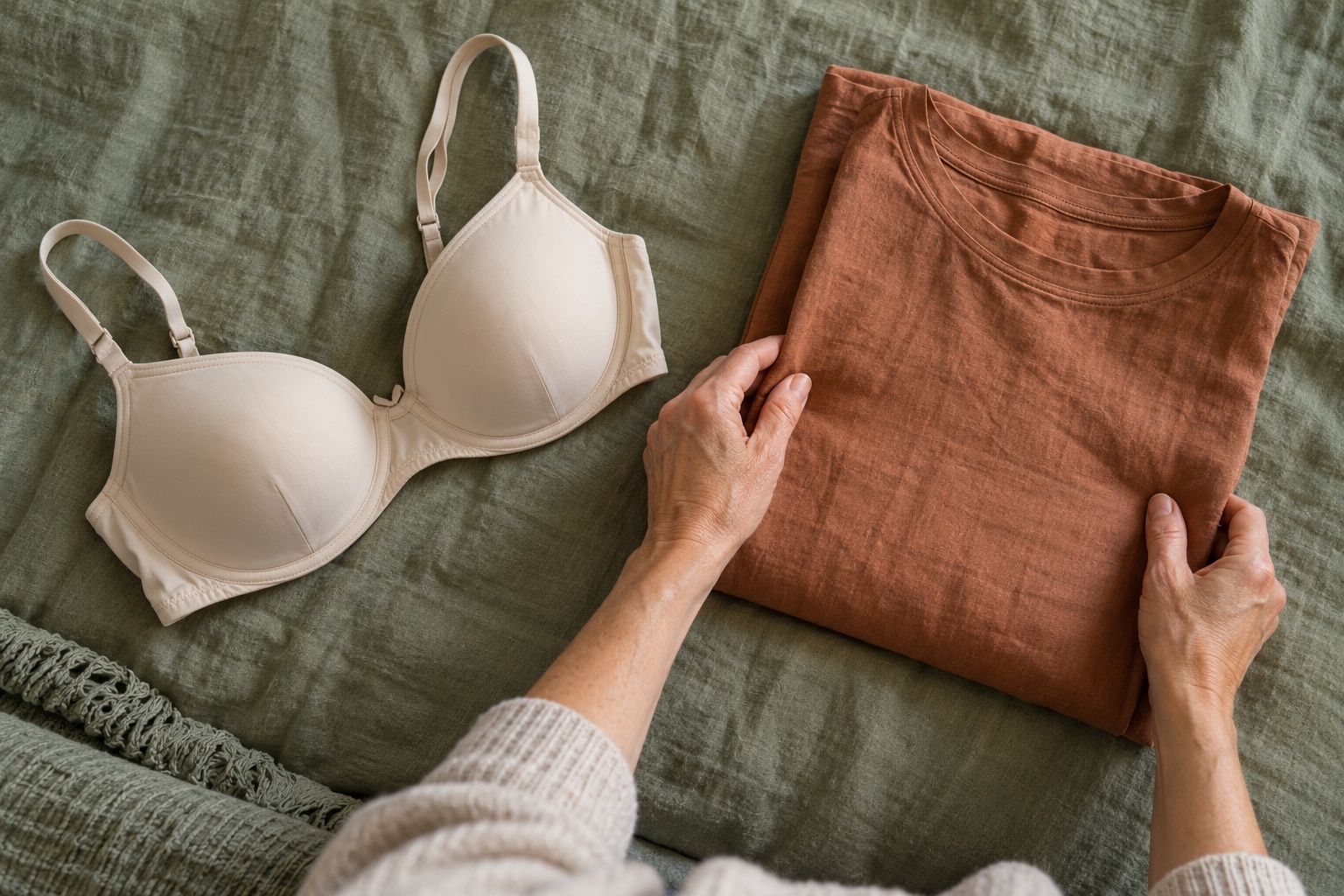 Breast
A 30-patient series describes breast reshaping with an absorbable scaffold. It cannot establish whether the added support keeps the result stable for longer.
Explore the evidence Breast
A matched analysis of 13,926 surgical patients links recorded androgen or anabolic-agent exposure with more early complications, but fewer revisions. It identifies a history worth discussing, not a cause or a safe stopping interval.
Explore the evidence Breast
An Australian registry study describes why implants inserted overseas were later removed or replaced. It reveals a care-planning issue, but cannot calculate the risk faced by everyone having surgery abroad.
Explore the evidence News
A CDC report documents five infections after facelifts performed in Mexico in 2025. The long intervals before symptoms and testing put continuity of care in focus, but cannot establish a countrywide risk.
Explore the evidence Face
A study of 57 suspected complications links two clinical findings with ultrasound-defined vascular occlusion. It cannot estimate the risk of a routine filler treatment.
Explore the evidence Breast
A review of 26 studies brings breast and nipple sensation into the discussion about implant choice. Recovery was common, but neither size nor technique provides a guarantee.
Explore the evidence Body
A Danish study followed people who chose abdominal-wall hernia repair for cosmetic reasons. Many reported benefits, but severe chronic pain remained part of the long-term picture.
Explore the evidence Face
In 72 women, algorithm-estimated age changes after a face and neck lift tracked patient-reported outcomes only weakly. Looking younger in a photograph and being satisfied are different measures.
Explore the evidence Face
A single-centre study separates cosmetic nasal surgery from operations to improve breathing. Anxiety or depression was associated with less favourable functional outcomes; the cosmetic comparison found no significant difference, without proving equivalence.
Explore the evidence Breast
Ultrasound identified front-to-back implant rotation in 75 of 590 patients attending follow-up. Most of those patients had no symptoms; the study cannot establish the risk for every implant recipient.
Explore the evidence Bodyforming
A review of 29,357 patients links GLP-1 exposure with slower wound healing and raised scars after aesthetic surgery. Observational data and missing risk estimates limit what that means for an individual operation.
Explore the evidence Lips
A randomized comparison finds an early increase in lip fullness with Belotero Intense (+). The longer-term figure concerns selected early responders, while the safety record includes delayed reactions.
Explore the evidence Body
A small comparison found a greater reduction in hair thickness with a dual-wavelength mode. It did not establish an extra reduction in hair density—or whether people would notice the difference.
Explore the evidence Skin
A trial found a measurable improvement in chest wrinkles after three hyaluronic acid sessions. What that means depends on the comparison, the skin types studied and the recovery burden.
Explore the evidence News
A small trial compared two approaches in the same face. Participants reported an advantage from combining treatments, but other measures told a more restrained story.
Explore the evidence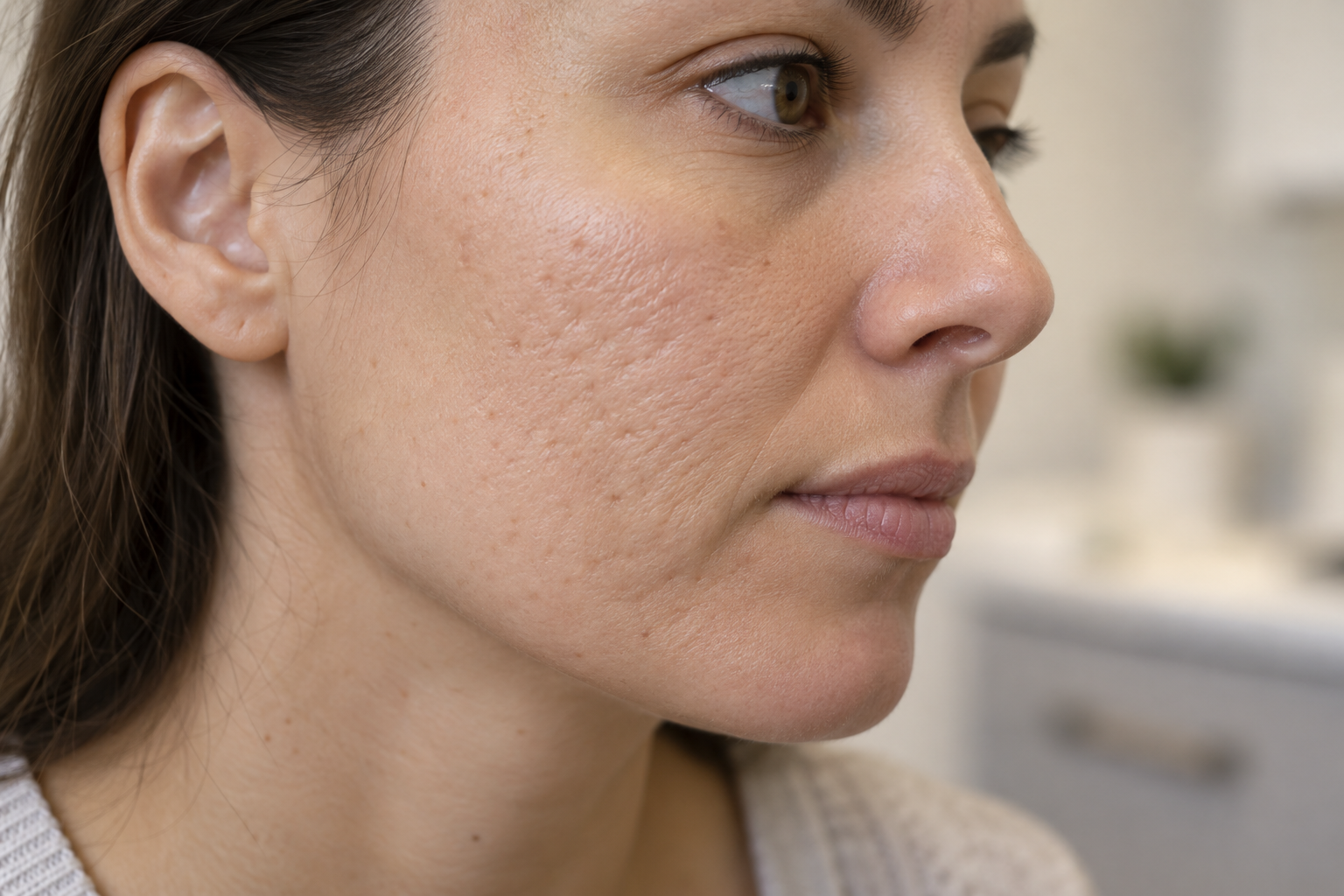 Skin
A randomized trial found better scar scores with a combined approach. The improvement came with additional appointments and bruising that affected more than a third of the injection group.
Explore the evidence